

How Ayurveda Supports Women’s Health: Hormonal Balance, Recovery & Wellness
- by seo_admin
-
 Mar 26, 2026
 -
0 views
 Mar 26, 2026
  0 views
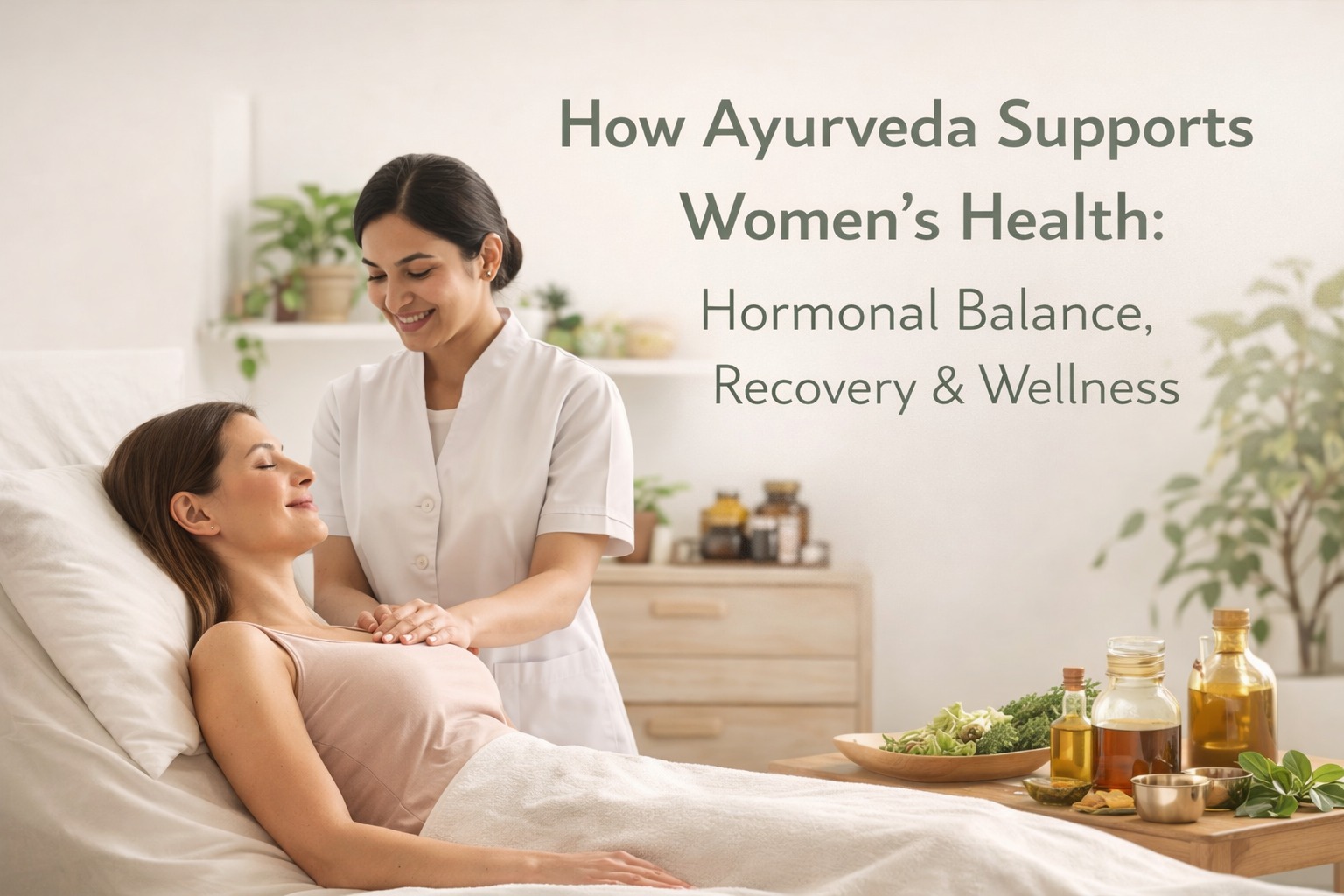
How Ayurveda Supports Women’s Health: Hormonal Balance, Recovery & Wellness
There’s a particular kind of exhaustion that many women know well. It’s not just tiredness — it’s the feeling of being out of sync with your own body. Hormones fluctuating without warning. Energy crashing mid-afternoon. Periods that are unpredictable, painful, or simply draining. Skin that’s rebelling. Sleep that never feels restorative enough.
For many women living in Dubai, these experiences are frustratingly common — and frustratingly dismissed. “It’s just stress.” “That’s normal at your age.” But here’s the thing: just because something is common doesn’t mean it’s something you have to accept.
Ayurveda, the ancient Indian system of medicine, has been addressing the nuances of women’s health for over 5,000 years. And in a city as dynamic and demanding as Dubai, more women are turning to Ayurveda treatment in Dubai to find the balance that modern medicine sometimes struggles to offer.
Why Women’s Health Is So Complex (And So Often Misunderstood)
Women’s bodies are cyclical by nature. Hormones shift not just month to month, but across entire life stages — puberty, the reproductive years, perimenopause, and beyond. Each phase brings its own unique set of physical and emotional demands.
The challenge is that conventional healthcare often treats hormonal symptoms in isolation. A dermatologist addresses the acne. A gynecologist manages the irregular cycles. A therapist handles the mood swings. But no one looks at the whole picture.
Ayurveda does exactly that. Rather than treating symptoms as separate problems, it views the body as an interconnected system — where the health of your hormones, digestion, nervous system, and emotional state are all deeply linked.
The Ayurvedic View of Women’s Health
In Ayurveda, women’s health is governed primarily by the balance of three biological energies — Vata, Pitta, and Kapha — which influence everything from metabolism and inflammation to emotional stability and reproductive health.
When these energies fall out of balance (which happens easily in response to stress, poor diet, disrupted sleep, or environmental factors), the body communicates through symptoms. Heavy or painful periods signal a Pitta imbalance. Irregular cycles and anxiety often point to Vata dominance. Sluggishness, weight gain, and emotional heaviness suggest Kapha excess.
The goal of Ayurvedic treatment isn’t to suppress these signals — it’s to understand what’s driving them and restore balance at the root level.
Hormonal Imbalance: More Than Just “That Time of the Month”
Hormonal imbalance is one of the most common reasons women seek out a trusted Ayurveda clinic in Dubai. And the scope of what it covers is broader than most people realise.
Symptoms of hormonal imbalance include:
- Irregular, painful, or very heavy periods
- PMS — mood swings, bloating, breast tenderness
- PCOS (Polycystic Ovary Syndrome)
- Unexplained weight gain, especially around the abdomen
- Acne, hair thinning, or excessive hair growth
- Low libido
- Sleep disturbances
- Perimenopausal symptoms like hot flashes and night sweats
Ayurveda addresses these through a combination of herbal medicine, dietary therapy, and lifestyle practices — all customised to your specific constitution and current imbalances. Herbs like Shatavari (often called the queen of Ayurvedic women’s herbs), Ashoka, Lodhra, and Dashamula have been used for centuries to support reproductive health, regulate cycles, and ease hormonal transitions.
What’s particularly powerful is that these aren’t one-size-fits-all prescriptions. A qualified Ayurvedic practitioner will assess your unique makeup before recommending anything — because what works for one woman’s PCOS may not be right for another’s.
Recovery After Childbirth: The Postpartum Care Women Deserve
In many cultures influenced by Ayurvedic tradition, the 40 days following childbirth are treated as sacred recovery time. In Sanskrit, this period is called Sutika Paricharya — and it’s one of the most beautifully practical frameworks for postpartum care that exists.
Modern Dubai life doesn’t always make it easy to slow down after having a baby. But postpartum depletion — a state of deep physical and emotional exhaustion that can persist for months or years after birth — is a real and serious condition.
Ayurveda approaches postpartum recovery with warmth, literally and figuratively. Key elements include:
- Nourishing, warm, easily digestible foods that rebuild Ojas (vital energy) without taxing the digestive system
- Abhyanga — daily warm oil massage to stabilise the nervous system, reduce Vata (which spikes dramatically during labour and delivery), and support tissue recovery
- Specific herbal formulas to replenish iron, support lactation, and restore hormonal balance
- Rest and gentle routine as non-negotiable pillars of recovery
For women in Dubai seeking holistic wellness for women after childbirth, Ayurvedic postpartum programs offer something that’s rare: genuinely restorative care that honours the magnitude of what a woman’s body has just been through.
Perimenopause and Menopause: Navigating the Transition Naturally
Menopause is not a disease. But the way many women experience it — with hot flashes, insomnia, mood volatility, weight changes, and a sense of losing themselves — it can feel like one.
In Ayurveda, menopause is understood as a natural Vata phase of life, where the body shifts its energy inward. This transition, handled well, can be a time of profound clarity and vitality. Handled poorly — with chronic stress, poor diet, and no support — it can feel relentless.
Ayurvedic strategies for this phase focus heavily on:
- Cooling and grounding practices to balance the heat and instability of Pitta and Vata
- Adaptogenic herbs like Shatavari, Brahmi, and Ashwagandha to support the adrenal system and ease the hormonal shift
- Dietary adjustments — reducing caffeine, spicy foods, and alcohol which aggravate hot flashes; increasing healthy fats, whole grains, and root vegetables
- Yoga and pranayama — specific breathwork and movement practices shown to reduce vasomotor symptoms and improve sleep quality
The women in Dubai seeking Ayurveda treatment for menopausal symptoms often report something unexpected: they don’t just feel better physically — they feel more connected to themselves.
Stress, Burnout, and the Modern Dubai Woman
Let’s talk about something real. Dubai is exhilarating — but it’s also relentless. Many women here are managing demanding careers, families, social obligations, and health, all while living far from their support networks back home.
Chronic stress is one of the most potent disruptors of hormonal health. It elevates cortisol, which suppresses progesterone, disrupts thyroid function, affects blood sugar, and ultimately throws the entire endocrine system into chaos.
Ayurveda doesn’t just offer herbs and massages as band-aids for burnout. It offers a genuine framework for sustainable living. That includes:
- Understanding your personal constitution so you can work with your nature, not against it
- Building a daily routine (Dinacharya) that stabilises your nervous system
- Learning to recognise early signs of imbalance before they become full-blown symptoms
- Using food, sleep, movement, and breathwork as medicine — not afterthoughts
For women’s wellness in Dubai, this kind of grounded, preventive approach is increasingly valuable in a culture that celebrates hustle but rarely celebrates rest.
What to Expect at an Ayurveda Clinic in Dubai
If you’re new to Ayurveda, walking into a clinic can feel a little unfamiliar. Here’s what a quality experience typically looks like.
Your first consultation will usually involve a detailed intake — not just your current symptoms, but your full health history, digestion, sleep patterns, menstrual cycle, stress levels, and lifestyle. A skilled practitioner will also assess your pulse (Nadi Pariksha) and observe physical signs like your tongue, skin, and eyes.
From there, a personalised treatment plan is created. This might include:
- Herbal formulas (powders, tablets, or liquid extracts)
- Dietary recommendations specific to your constitution and health goals
- Lifestyle guidance including sleep hygiene, movement, and stress management
- In-clinic therapies such as Abhyanga, Shirodhara (a deeply calming oil-pouring treatment for stress and insomnia), or Basti (therapeutic enemas for hormonal and digestive health)
It’s worth noting that Ayurveda works best as a sustained practice, not a one-off treatment. Many women see meaningful shifts within 4–6 weeks, but the deeper changes — in energy, hormonal rhythm, emotional resilience — often unfold over several months.
Finding the Right Practitioner
Not all Ayurvedic clinics are equal. When looking for Ayurveda treatment in Dubai, prioritise:
- Practitioners with formal BAMS (Bachelor of Ayurvedic Medicine and Surgery) qualifications
- Clinics that offer thorough initial consultations rather than rushing to sell packages
- Transparency about herbal ingredients and treatment protocols
- A genuine interest in your full health picture, not just your most obvious symptom
Ask questions. A good Ayurvedic doctor will welcome them.
A Final Word
Women’s health deserves more than symptom management. It deserves genuine understanding, personalised care, and a framework that honours the intelligence of the female body rather than working around it.
Ayurveda offers exactly that — and for women in Dubai navigating hormonal challenges, postpartum recovery, menopausal transitions, or simply the weight of a high-demand life, it offers something increasingly rare: a path back to feeling like yourself.
That, in the end, is what holistic wellness for women really means.
Ready to explore how Ayurveda can support your health? A consultation at a qualified Ayurveda clinic in Dubai is the best place to start — and often, the conversation itself is deeply illuminating.