

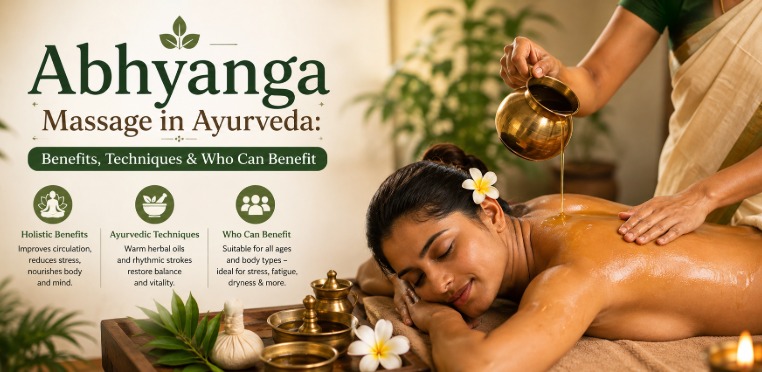
Abhyanga Massage in Ayurveda: Benefits, Techniques & Who Can Benefit
- by seo_admin
-
 Aug 22, 2026
 -
0 views
 Aug 22, 2026
  0 views
Abhyanga Massage in Dubai: Benefits, Techniques, Safety & What to Expect
If daily stress, muscle tension, fatigue, or poor sleep are affecting your routine, a warm-oil Ayurvedic massage may offer a calming way to support relaxation and body awareness. Known as Abhyanga, this traditional Ayurvedic practice uses oil, rhythmic massage, and individualized care rather than a single technique for every person.
As interest in natural wellness grows across the UAE, many residents search for Ayurvedic massage in Dubai as part of a broader approach to stress management, recovery, and self-care. Abhyanga may be suitable for some wellness goals, but it should be adapted to the individual and provided by a qualified practitioner.
What Is Abhyanga Massage?
Abhyanga is a traditional Ayurvedic oil massage in which warm oil is applied to the body using flowing strokes, circular movements, and pressure selected according to the person’s needs. Ayurveda traditionally considers an individual’s constitution, commonly described through the doshas, as well as their current symptoms, lifestyle, and overall health.
The oil may be plain or infused with herbs and other ingredients selected by an Ayurvedic practitioner. Sesame, coconut, herbal, or other medicated oils may be used depending on the treatment plan, skin type, season, and presenting concerns.
Unlike a conventional spa massage, Abhyanga is not necessarily a standard service delivered in the same way to every client. The oil, duration, pressure, body areas, and massage style may all be personalized. In this sense, an Ayurvedic body massage is part of a wider wellness approach, not simply a relaxation treatment.
Featured Snippet: What Is Abhyanga Massage?
Abhyanga is a traditional Ayurvedic oil massage that uses warm oil and rhythmic techniques to support relaxation and overall well-being. The oil, pressure, duration, and massage approach can be personalized according to an individual’s constitution, lifestyle, health concerns, and practitioner assessment.
The Ayurvedic Philosophy Behind Abhyanga
Doshas and Individualized Care
Ayurveda describes three doshas—Vata, Pitta, and Kapha—as functional principles used to understand individual constitution and patterns of imbalance.
- Vata: Traditionally associated with movement, dryness, variability, and the nervous system. A slower, warming, grounding approach may be considered for people showing Vata-like patterns.
- Pitta: Associated with heat, transformation, and intensity. A practitioner may select gentler techniques and oils that feel soothing rather than overly stimulating.
- Kapha: Associated with stability, heaviness, and structure. A more invigorating approach may sometimes be considered, depending on the person’s needs.
These concepts belong to the traditional Ayurvedic framework and should not be confused with a modern medical diagnosis. A practitioner may consider constitution, current concerns, skin sensitivity, mobility, stress levels, and other relevant factors when deciding on oil, pressure, treatment duration, and technique.
Why Oil Is Important in Abhyanga
Oil is central to Abhyanga. In traditional Ayurveda, oil application is used to soften and nourish the skin while supporting a grounding, comforting treatment experience. Medicated oils may contain herbs selected for their traditional properties.
Modern evidence for Abhyanga specifically remains limited, so traditional uses should be distinguished from established medical treatment. The practical benefits of oil massage may include skin moisturization, reduced friction, warmth, and a more soothing tactile experience.
Benefits of Abhyanga Massage
The effects of massage can differ from person to person. Abhyanga should be viewed as a complementary wellness practice rather than a cure for disease.
-
Stress Relief and Relaxation
Slow, rhythmic touch may help promote relaxation and reduce perceived stress. A quiet environment, warm oil, and focused breathing can also help someone shift away from constant mental stimulation.
For Dubai residents balancing demanding work schedules, commuting, family responsibilities, and screen use, an Ayurvedic oil massage may provide structured time for rest and body awareness.
-
Muscle Relaxation and Physical Comfort
Massage may support relaxation in areas that commonly hold tension, such as the shoulders, neck, lower back, and legs. Gentle manual pressure can help promote general physical comfort and a sense of ease.
It is not a substitute for medical assessment when pain is severe, persistent, worsening, or associated with weakness, numbness, swelling, or injury.
-
Supporting Better Sleep
Relaxation and reduced stress may contribute to better sleep quality for some people. An evening treatment may help create a calming transition before bedtime, although individual responses vary.
People with ongoing insomnia, sleep apnoea, depression, anxiety, or other sleep-related concerns should seek appropriate medical evaluation rather than relying on massage alone.
-
Supporting Circulation and Mobility
The movement and pressure used during massage may temporarily support local circulation and relaxation of soft tissues. This can contribute to a more comfortable feeling of movement for some people.
However, Abhyanga should not be presented as a treatment for vascular disease, blood clots, or significant swelling. Anyone with a circulatory condition should obtain
professional advice before massage. -
Skin Nourishment
Warm oil can moisturize the skin and reduce dryness. This may be particularly comfortable for people whose skin feels tight or dry due to climate, air conditioning, or frequent bathing.
Sensitive skin, allergies, eczema flares, rashes, or infections require careful assessment before any oil is applied.
-
Overall Wellness
Abhyanga may form part of a broader Ayurvedic wellness routine that includes nutrition guidance, sleep habits, movement, stress management, and other individualized therapies.
The goal is to support sustainable daily well-being rather than promise a single-session solution.
What Happens During an Abhyanga Massage?
A first session will usually involve several stages:
- 1. Initial consultation: The practitioner asks about your goals, lifestyle, symptoms, medications, allergies, skin sensitivity, and relevant medical history.
- 2. Constitution and concern assessment: Your Ayurvedic constitution and current wellness concerns may be considered alongside practical safety factors.
- 3. Oil selection: The practitioner selects a suitable oil or medicated preparation. You should mention any known allergies before treatment.
- 4. Treatment preparation: The room is prepared for comfort, privacy, warmth, and safe positioning. You will be guided on clothing and draping.
- 5. Warm oil application: Oil is warmed to a comfortable temperature and applied to selected areas or the whole body, depending on the plan.
- 6. Rhythmic massage: The practitioner uses flowing strokes and circular movements, adjusting pressure and pace to your comfort and treatment goals.
- 7. Rest and guidance: You may be encouraged to rest briefly afterward. The practitioner may provide guidance about bathing, hydration, food, activity, or follow-up care.
Tell the practitioner immediately if the oil feels too hot, the pressure is uncomfortable, or you feel dizzy, nauseated, breathless, or unwell.
Abhyanga Massage Techniques
Common techniques may include:
- Long, rhythmic strokes along the limbs and larger muscle groups.
- Circular movements around joints, including the shoulders, elbows, knees, and ankles.
- Moderate pressure where appropriate, with lighter pressure over sensitive areas.
- A slower or more stimulating pace depending on the treatment plan.
- Gentle abdominal or back work when suitable and consented to.
- Scalp or head massage where appropriate.
The direction, pace, and intensity should be adapted according to practitioner assessment. A premium Ayurvedic massage should never be defined only by strong pressure. Comfort, communication, consent, and individual suitability are equally important.
Who Can Benefit From Abhyanga Massage?
Abhyanga may be beneficial for people who:
- Experience everyday stress or mental fatigue.
- Have lifestyle-related muscle tension.
- Want dedicated time for relaxation and self-care.
- Feel tired because of demanding routines or inadequate recovery.
- Are interested in traditional Ayurvedic wellness practices.
- Want complementary support during a professionally supervised recovery plan.
Abhyanga for Women’s Wellness
Abhyanga may be included within professionally supervised women’s wellness programs where appropriate. The treatment plan may account for menstrual cycles, hormonal concerns, stress, fatigue, skin sensitivity, and the person’s current stage of life.
It should not be assumed that the same oil, pressure, or body position is suitable for every woman. Pregnancy, recent childbirth, surgery, pelvic concerns, and unexplained symptoms require individualized clinical guidance.
Abhyanga During Postnatal Recovery
Postnatal massage should be personalized and started only when medically appropriate. Timing may vary according to delivery type, healing progress, complications, pelvic or abdominal recovery, breastfeeding considerations, and medical advice.
Atmara’sPre & Postpartum Rejuvenation program combines Ayurvedic care, physiotherapy, nutrition, and emotional support in a tailored approach for mothers. A consultation is important before beginning any postnatal body massage.
Who Should Avoid or Delay Abhyanga?
Abhyanga may not be appropriate in every situation. Seek professional advice before treatment if you have:
- Fever, an acute infection, or another active illness.
- An active skin infection, open wound, ulcer, or significant rash.
- A recent surgery, fracture, or acute injury.
- Certain heart, kidney, vascular, inflammatory, or other acute medical conditions.
- Pregnancy-related concerns or a high-risk pregnancy.
- Significant unexplained pain, swelling, bleeding, dizziness, or fatigue.
- A known allergy or sensitivity to massage oils or herbal ingredients.
This is not a complete medical screening list. A qualified practitioner should assess suitability, modify or postpone treatment when necessary, and advise medical evaluation for persistent or concerning symptoms.
Abhyanga vs. Regular Massage
| Feature | Abhyanga Massage | Conventional Massage |
|---|---|---|
| Philosophy | Ayurveda-based | General massage or wellness framework |
| Oils | May use warm, medicated Ayurvedic oils | Often uses massage oil, lotion, or cream |
| Personalization | May consider constitution, symptoms, season, and lifestyle | Usually based on stated massage goals and physical areas |
| Approach | Holistic and traditionally individualized | Primarily focused on physical relaxation, comfort, or soft-tissue work |
| Treatment Plan | May begin with an Ayurvedic assessment | Usually begins with a standard massage assessment |
Neither approach is automatically better for everyone. The most suitable option depends on your goals, health status, preferences, and practitioner qualifications.
How Often Should You Have Abhyanga Massage?
There is no universal schedule that applies to every person. Frequency may depend on your health goals, body constitution, lifestyle, treatment plan, response to previous sessions, and practitioner recommendation.
Some people may choose occasional sessions for relaxation, while others may receive Abhyanga within a structured Ayurvedic program. Avoid increasing frequency or combining therapies without discussing it with a qualified provider.
How Atmara Personalizes Abhyanga in Dubai
Atmara Wellness Center in Mirdif brings Ayurveda, naturopathy,functional wellness,physiotherapy, and other holistic services together under one roof. Its approach begins with a personalized Ayurvedic consultation rather than treating every visitor with an identical massage protocol. Atmara describes its Ayurveda services as tailored to body type and health concerns, with care delivered in a DHA-licensed wellness setting.
For someone searching for Ayurvedic massage Dubai, relevant considerations include:
- Consultation before selecting a treatment.
- Oil selection based on constitution, skin considerations, and presenting concerns.
- Practitioner-led adjustment of pressure, duration, and technique.
- Integration with broader Ayurvedic treatments when appropriate.
- Consideration of Panchakarma only after suitable assessment.
- Women’s wellness and professionally supervised postnatal support.
- Access to complementary naturopathy, physiotherapy, functional wellness, and nutrition-oriented services.
The objective is to identify an appropriate Ayurvedic treatment in Dubai based on the individual, rather than presenting Abhyanga as a one-size-fits-all spa service.
Abhyanga and a Holistic Ayurvedic Wellness Plan
Abhyanga may be combined with:
- An Ayurvedic consultation.
- Nutrition and mindful-eating guidance.
- Sleep and daily-routine recommendations.
- Stress-management practices.
- Panchakarma when clinically appropriate and professionally supervised.
- Naturopathy and other personalized wellness therapies.
- Physiotherapy where movement limitations, injury, or rehabilitation needs are present.
Learn more about Ayurveda treatment in Dubai and naturopathy services as possible components of a broader wellness plan. These approaches should complement—not replace—necessary medical care.
Everyday Tips to Support Ayurvedic Wellness
Alongside professional guidance, simple habits may support daily well-being:
- Maintain reasonably regular meal times.
- Prioritize adequate, consistent sleep.
- Stay hydrated according to your needs and climate.
- Practice mindful eating without rushing.
- Use breathing, walking, or brief pauses to manage daily stress.
- Maintain regular, appropriate physical activity.
- Follow practitioner-recommended routines consistently.
- Avoid excessive self-treatment with concentrated herbs, oils, fasting, or detox practices.
Frequently Asked Questions
What is Abhyanga massage in Ayurveda?
Abhyanga is a traditional Ayurvedic oil massage using warm oil, rhythmic strokes, and individualized techniques. It is traditionally used to support
relaxation, skin nourishment, and general wellness.
What are the benefits of Abhyanga massage?
Potential Abhyanga benefits include relaxation, reduced perceived stress, muscle comfort, skin moisturization, and support for restful sleep. Results vary, and it is not a cure for medical conditions.
Is Abhyanga massage suitable for everyone?
No. People with fever, acute illness, open wounds, skin infections, recent surgery, pregnancy-related concerns, or significant medical conditions should seek professional advice first.
What oil is used for Abhyanga?
The oil depends on the treatment plan. Sesame, coconut, or herbal medicated oils may be considered according to constitution, skin type, season, allergies, and presenting concerns.
How often should I have Abhyanga massage?
Frequency depends on your goals, lifestyle, constitution, treatment plan, response, and practitioner advice. There is no single schedule suitable for everyone.
What should I expect during my first Abhyanga treatment?
Expect a consultation, oil selection, preparation, warm oil application, rhythmic massage, rest, and post-treatment guidance. You can request pressure or temperature adjustments at any time.
Is Abhyanga the same as a regular Ayurvedic massage?
Abhyanga is one specific traditional Ayurvedic oil-massage practice. “Ayurvedic massage” is a broader term that may include several techniques and treatment styles.
Where can I get Abhyanga massage in Dubai?
You can consult an established Ayurvedic clinic in Dubai such as Atmara Wellness Center in Mirdif to discuss whether Abhyanga is appropriate for your needs.
Conclusion
Abhyanga is a traditional Ayurvedic oil massage designed around warm oil, rhythmic touch, and personalized care. It may support relaxation, muscle comfort, skin nourishment, and a more balanced wellness routine, but its benefits should be
described responsibly and not as guaranteed medical outcomes.
The right approach depends on your health history, constitution, goals, and current symptoms. Professional assessment is especially important during pregnancy, postnatal recovery, illness, injury, or when symptoms are unexplained.
Interested in experiencing personalized Abhyanga massage in Dubai? Contact Atmara Wellness Center to schedule a consultation and learn which Ayurvedic approach is appropriate for your individual wellness needs.
Educational disclaimer:
This article is for general education and does not diagnose, treat, or prevent disease. Ayurvedic massage is complementary wellness care and should not replace medical evaluation or prescribed treatment. Speak with a qualified healthcare professional about persistent symptoms, pregnancy, recent surgery, or any significant health concern.